
Fields after the rain, things to check first when peppers are sick
Since dawn today, when I went out to the field, I couldn't see any signs of the end of the rainy season. The humidity was so high that my heart felt heavy for no reason. When I actually looked at the peppers, I could clearly see the blotchy marks here and there. At first, I thought, 'Am I the only one worrying about this?' But without realizing it, I remembered the experience of struggling with diseases and pests in the past, and I thought it shouldn't be left like this.
Growing peppers is truly a job that tests one's patience. It's tough to sow seeds on good weather days, and even though you feel satisfied watching the fruits grow well, if one day a pathogen spreads, all your efforts can go to waste overnight.
Peppers are more sensitive to environmental changes than you might think. Especially during the rainy season like monsoon, when there is a lot of rain and high humidity, pathogens multiply explosively. The most important thing at this time is 'prevention.' While treating the disease once it's discovered is important, preventing it from occurring in the first place seems to be the easiest way in farming.
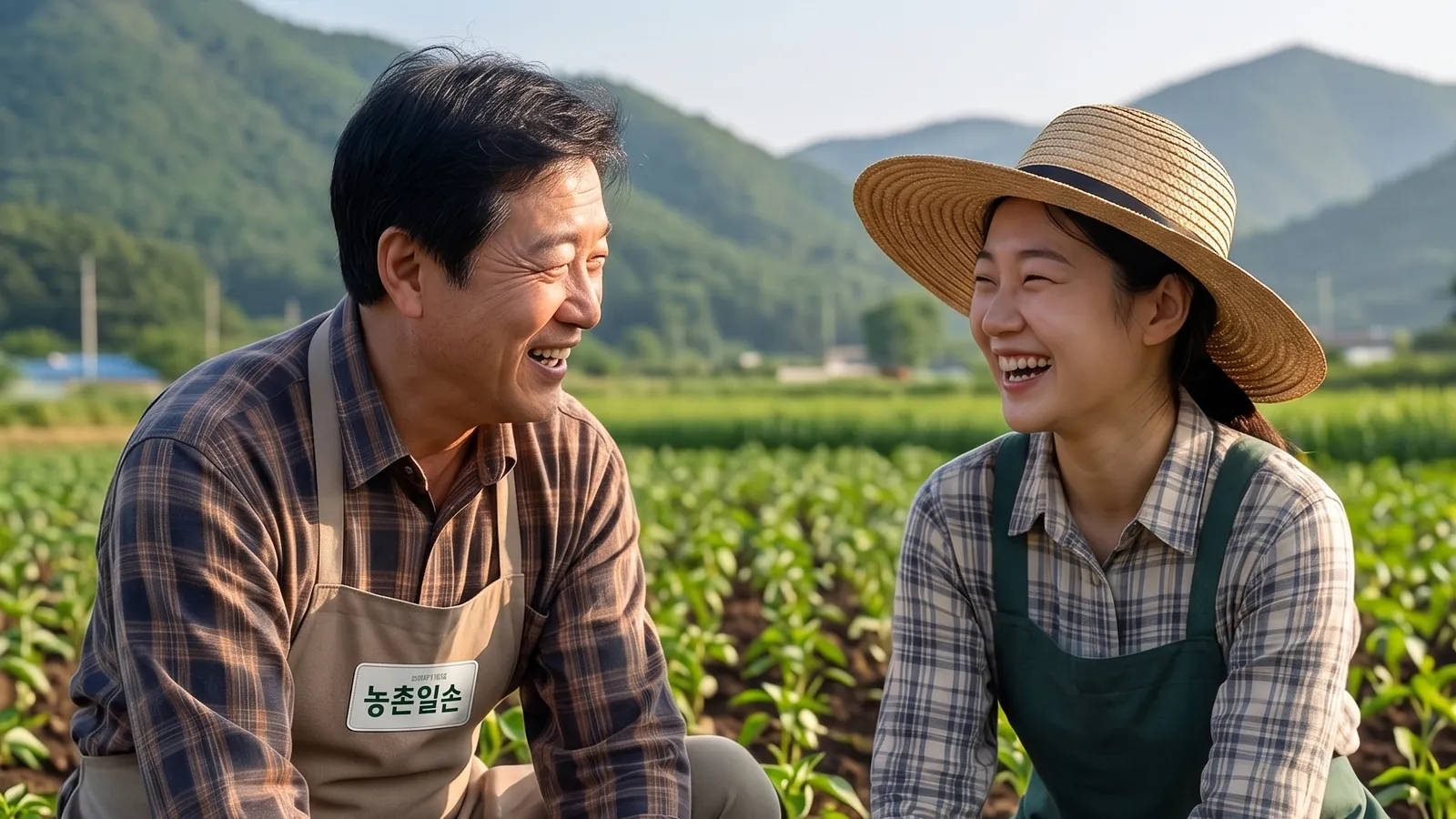
Three tasks to keep peppers healthy that I felt on the field
After farming for a long time, I've come to understand. Disease and pest management ultimately revolve around 'humidity control' and 'ventilation.' No matter how good the fertilizer and water are, if there is poor ventilation, problems are bound to arise.
For example, if you grow the grass between the thick walls of our house too densely, or if the pepper seedlings are too close together, air circulation won't be proper. As a result, it creates a moist environment that pathogens love. What should you do in such situations?
Preventive maintenance checklist shared by senior farmers in the field
* ① Ensure ventilation paths: Boldly clear the weeds wedged between the leaves. It's important to let the sunlight evenly reach the stems and leaves of the peppers.
* ② Recheck the watering method: It's better to water the soil or the base rather than spraying water directly on the leaves early in the morning. If the leaf surface remains damp for a long time, it's perfect for pathogens to thrive.
* ③ Create circulation space (thinning): It's not necessary for all the fruits to hang heavily or for all the lower leaves to be green. Thinning them out to a certain extent and allowing good airflow actually provide a resting place for the peppers.
In a previous farming season, there was a time when I laid the plastic mulch too thick, causing the entire field to become damp. As a result, I realized firsthand how crucial it is to adjust the environment itself. When I finally tried it, I found that creating a small ventilation hole made a significant difference.

Busy farming season, reasons to conserve energy
The most challenging aspect of managing peppers is 'time.' Diseases and pests erupt relentlessly depending on the season and weather changes. This morning, I felt like my back was breaking while clearing the grass, and in the afternoon, I even had to catch the bugs clinging to the back of the leaves with my hands. Even though I worked all day from dawn, my energy was drained.
It's physically challenging to handle everything alone. Whether it's managing the grass, adjusting the seedling spacing, or conducting large-scale pest control operations. Moreover, applying pesticides meticulously one by one requires strength.
Especially when rushing to finish before the rain comes, it's easy to end up rushing physically. Ultimately, farming requires not only 'skills' but also realizing that smoothly scheduling tasks and seeking necessary help are also skills.
Farming involves more physical labor than you might think. In such cases, managing your energy without overdoing it is the shortcut to harvesting good peppers.
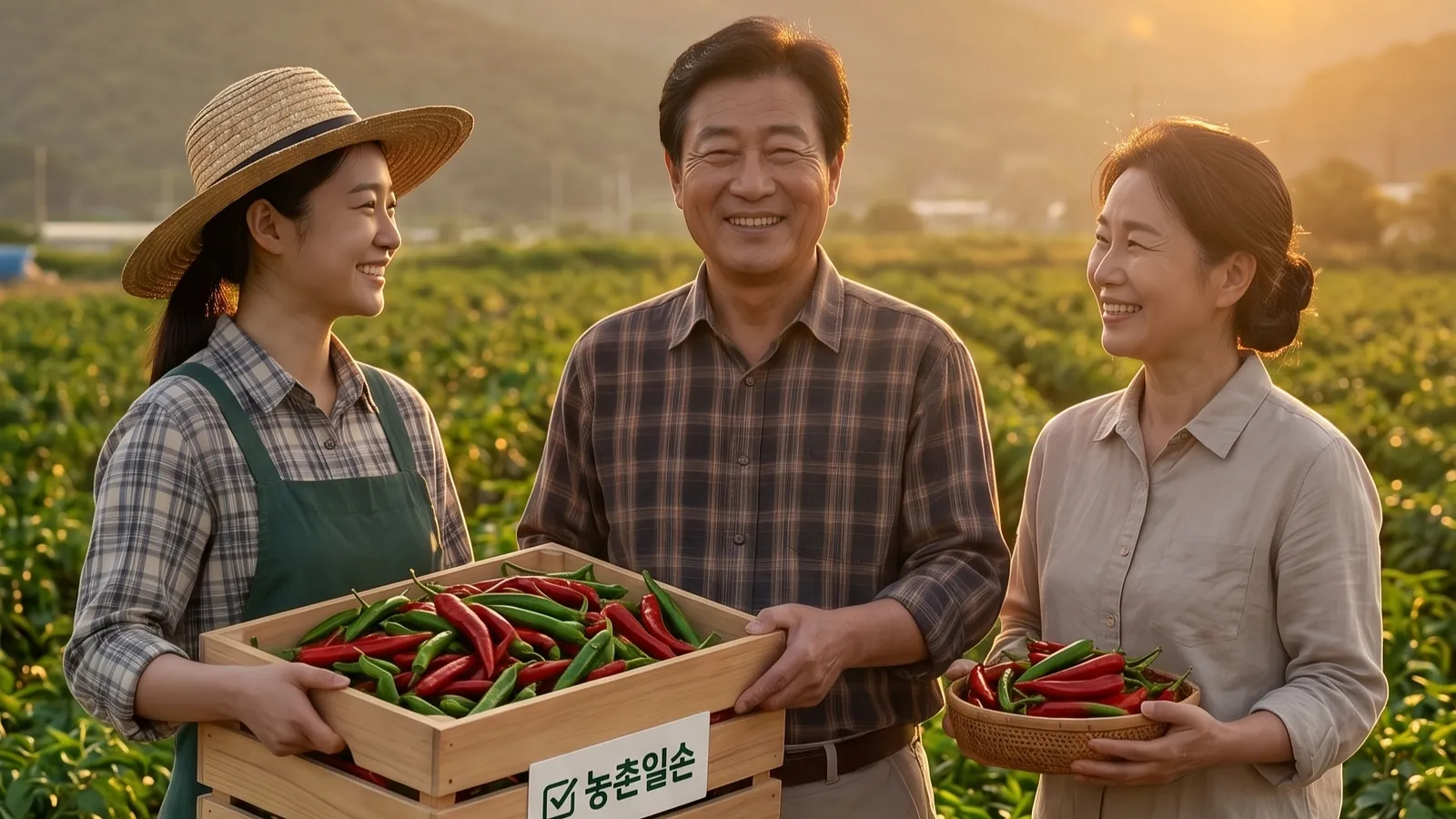
I hope you grow peppers healthily this farming season, without worrying about diseases and pests. For those in need, it may be helpful to refer to rural labor.
#Rural Labor
#Rural Labor #Agricultural Workforce